The story behind Wovenbeyond
From a childhood dream of running a farm to a career in global luxury fashion, Gloria Mazzer reflects on the journey that led to the creation of Wovenbeyond and her mission to reconnect fibres, farming and regeneration.
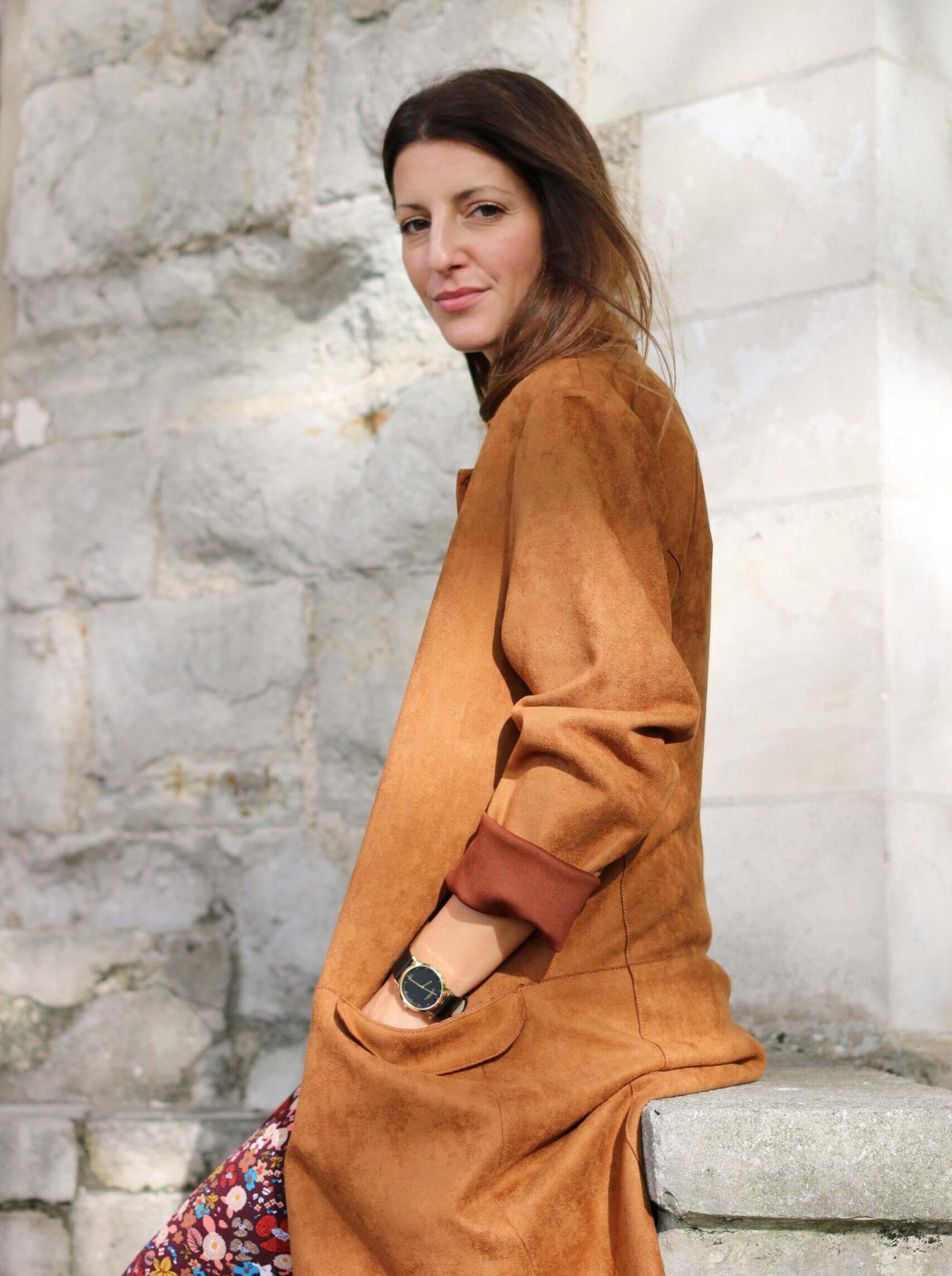
As a child growing up in a small city in north-eastern Italy, I dreamed of running a farm.
Life, however, took me in a very different direction.
For more than a decade, I worked in the global luxury fashion industry, living in large cities and building a career within international brands. I gained valuable experience and developed a deep understanding of how fashion businesses operate, from product development and sourcing to supply chains and commercial strategy.
Yet something never felt quite right.
The industry revolved around growth, targets and consumption, but conversations about environmental impact, resource use and long-term responsibility were almost entirely absent. At the same time, I found myself increasingly drawn towards emerging discussions around sustainability and regenerative thinking. The disconnect between these worlds became impossible to ignore.
I realised that if I wanted to contribute to meaningful change, I needed to create something of my own.
In 2019, Wovenbeyond was born.
“The child who dreamed of running a farm never disappeared. The path simply took a different shape.”
At the beginning, I didn’t set out to create a yarn company. What fascinated me was the relationship between materials and the natural systems from which they originate. I became increasingly interested in fibres, particularly wool, and the stories hidden behind them.
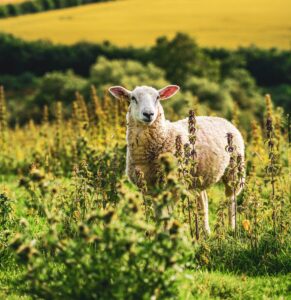
Through conversations with farmers, I discovered a reality that few people within fashion ever see. I met sheep farmers producing incredible natural fibres while struggling to make a fair return from their wool. I learned about the challenges facing rural communities, the pressures placed on landscapes, and the growing disconnect between the people who produce raw materials and the industries that depend on them.
The more I learned, the more I realised that fibres are not simply materials. They are a connection point between land, ecosystems, culture, craftsmanship and commerce.
This understanding shaped every decision behind Wovenbeyond.
From the beginning, I wanted the fibres we worked with to carry a meaningful story and create positive impact from source to finished product. Traceability was never an afterthought. I wanted to know where fibres came from, who produced them, how they were processed and what impact they had along the way.
This search led me to extraordinary fibre sources.
One of them was Himalayan nettle, a remarkable plant fibre harvested in Nepal through a social enterprise model that supports local livelihoods while encouraging responsible forest stewardship. Another was Merino d’Arles wool, sourced from traditional pastoralist communities in France. Alongside these fibres, I became increasingly committed to supporting British wool and the farmers working to restore landscapes through regenerative agriculture.
Over time, I discovered that my interest extended far beyond yarn.
“Fibres are not simply materials. They are a connection point between land, ecosystems, culture, craftsmanship and commerce.”
The deeper I explored fibre supply chains, the more I saw that many of the challenges facing fashion begin at the source. Soil health, biodiversity, animal welfare, farmer livelihoods and material quality are deeply interconnected. If we want better products, we need healthier ecosystems. If we want resilient supply chains, we need thriving farming communities.
This realisation led me towards regenerative agriculture.
I was inspired by approaches that work with nature rather than against it: systems that build soil health, increase biodiversity, strengthen local economies and create long-term resilience. Regeneration offered something that traditional sustainability often lacked: a vision for how people and nature can thrive together.
Today, Wovenbeyond continues to explore that possibility through natural yarns, education, collaborations and community building.
At the same time, this journey has evolved into something larger.
Through BeyondWool, I am now working to help reconnect farmers, fibre processors, manufacturers and brands in order to build new regenerative fibre ecosystems. The goal is not simply to create better products, but to restore value to wool, support farming communities and strengthen the relationships that have historically connected land, materials and makers.
Looking back, it feels as though I have come full circle.
The child who dreamed of running a farm never disappeared. The path simply took a different shape.
Today, my work sits between farming and fashion, fibre and land, people and ecosystems.
And in many ways, I am still following the same question that started this journey:
What becomes possible when we reconnect with the source of the materials we use every day?